













Need Help?
Whether you are inquiring about product specifications, requesting samples, or seeking customized plate heat exchanger spare parts,our technical team is always ready to provide rapid response and precise support.
Release time:2025-09-19 Visits:34
1. Why do plate heat exchangers have high performance?
There are wavy and spherical protrusions on the heat-conducting surface, and the liquid forms vortices to flow rapidly in a turbulent state. This is one of the main reasons for the excellent thermal conductivity of plate heat exchangers.
In addition, the rapidly flowing vortex can also prevent the adhesion of water rust on the surface of the heat transfer plate.
This type of board is designed to achieve the highest efficiency in heat conduction.
The heat transfer coefficient (U value) for water to water is generally 4500~8000W/n3 ℃.
2. What are the countermeasures for the blockage and rust caused by seawater?
The debris in seawater (seaweed, shellfish, garbage, etc.) may cause blockage of the inlet of the heat conduction part of the plate heat exchanger, so it is necessary to remove these debris. For this, an automatic backwash seawater filter needs to be installed. A perforated metal mesh with a mesh size of 2-3 mm is suitable for the filter screen.
To remove rust caused by seawater microorganisms, effective rust removal measures include electrolysis of seawater to produce sodium hypochlorite and circulation of warm water.
1. What is the manufacturing method of plate heat exchanger?
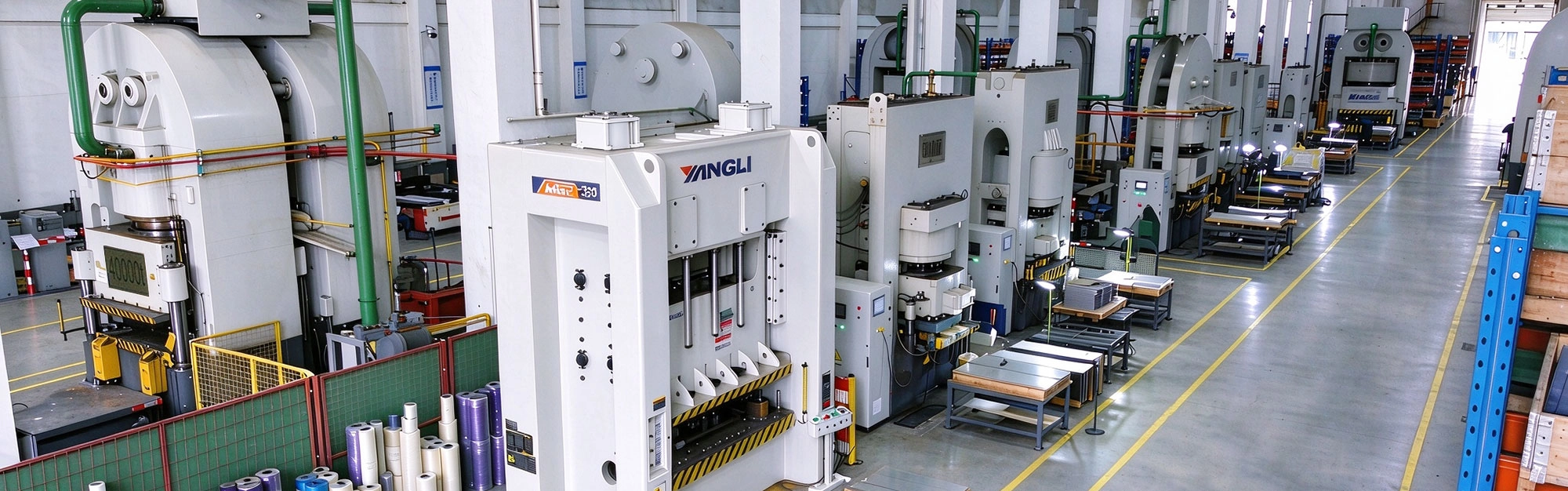
1) Use precision hydraulic presses of 20000 tons and 40000 tons to perform plastic deformation processing on the heat transfer plate.
2) Use a 1000 ton press to perform edge trimming on the outer circumference of the heat transfer plate after plastic deformation processing.
3) Install sealing gaskets on the heat-conducting plate after trimming processing.
4) Use a precision gas welding cutting machine to cut the frame steel plate (including fixed frame and moving frame) into the specified size, and then use an automatic tool changing CNC machine for mechanical processing.
5) Hang the heat transfer plate between the fixed frame and the moving frame, and fix it with bolts according to the specified fastening size.
6) Perform crack inspection on the heat transfer plate through air pressure testing.
7) After the pressure test is completed, spray painting and precision machining are carried out to complete the product production.
2. What are the production specifications for plate heat exchangers?
Production and manufacturing shall be carried out in accordance with the Electrical Industry Law, High Voltage Gas Safety Law, ASME "U" steel seal and authorization certificate, and domestic and international specifications of the first type of pressure vessel.
What are the inspection methods and criteria for determining whether they are qualified or not?
1) For heat transfer plates, according to the product records of the raw material manufacturer, confirm their chemical and mechanical properties. When die-casting, replace the original material manufacturer's mark with our company's batch number, and have identification marks on all heat transfer plates. After the start of die-casting, a thermal conductive plate is selected from each batch to test the forming depth to confirm whether it is within the standard value of our company.
The crack inspection of titanium guided heating plates is carried out through PT (dye penetrant testing). One piece is selected from the first three pieces after the start of die-casting, one piece is selected from the first ten pieces, and then one piece is selected every 30 pieces for sampling inspection. Finally, air pressure testing was conducted through assembly experiments.
2) For gaskets, extract one from each batch number of the manufacturer to determine its physical properties and dimensions, and fill out an inspection report to confirm that it meets our company's standards? accurate At the same time, all gasket labels are marked with the manufacturer's name, material, and manufacturing date for confirmation. Thermal conductive plates and gaskets are both products made from metal molds. Considering that the metal molds may deform after a period of time, it is necessary to regularly measure the shape and size of the molds, repair and update them.
3) For the rack, confirm its chemical composition and mechanical properties based on the product records of the steel manufacturer. The inspection after gas cutting processing is based on the inspection report to confirm whether it is within the standard value of our company.
1. What are the replacement standards for gaskets?
When used below 70 ℃, the average lifespan of the gasket is 5-7 years. Therefore, it is recommended to prepare spare parts after approximately 5 years of use.
2. What measures should be taken when a leak occurs?
1) If the leakage is caused by aging and wear of the gasket, as an emergency measure, it can be solved by adding fastening (within the fastening size engraved on the machine label). If there is still leakage after additional tightening, the gasket must be replaced.
2) If the leakage is caused by cracks in the heat transfer plate, as an emergency measure, the cracked heat transfer plate can be temporarily repaired by pulling it out together with any heat transfer plate in front or behind it.
3) Plate heat exchangers can have their gaskets replaced on-site at the installation site.
3. How to disassemble and clean the heat transfer plate?
Please clean the surface of the heat transfer plate when the ability decreases.
To detect the decrease in capability through temperature and pressure loss, please determine the interval based on the usage status. There are two cleaning methods available.
Disassemble the heat exchanger
1) Brushing and cleaning method
Drizzle water from the tap while scrubbing.
2) Spray cleaning method
Please refer to our company's user manual for detailed information.
Win your peace of mind and trust with 'all inclusive maintenance'
In order to maintain the best condition of our customers' plate heat exchangers, we have accumulated years of specialized technology and provide a variety of maintenance services including "disassembly, cleaning," "improvement work," "on-site service," and more.
Our company can temporarily store the plate heat exchanger body, repair it to restore it to its optimal condition, and then return it to the customer. Centered around this "storage point inspection and maintenance" type of "all inclusive maintenance" service, we provide comprehensive services including consulting services to ensure that our customers' plate heat exchangers are in the best condition. Customers can choose appropriate services based on their usage conditions and conditions, and maintain optimal operation in various ways. Welcome to use.
Whether you are inquiring about product specifications, requesting samples, or seeking customized plate heat exchanger spare parts,our technical team is always ready to provide rapid response and precise support.
Hi~ How can I help you?